Edmond Dantes
Edmond Dantes, the protagonist of Alexandre Dumas's The Count of Monte Cristo, undergoes one of literature's most radical transformations. He begins as a nineteen-year-old sailor, honest and beloved, and is forged by fourteen years of unjust imprisonment into the enigmatic, immensely wealthy Count of Monte Cristo, a figure who dispenses both reward and punishment with godlike precision. His story is a profound exploration of justice, identity, and the limits of human vengeance.
Identity and Early Life
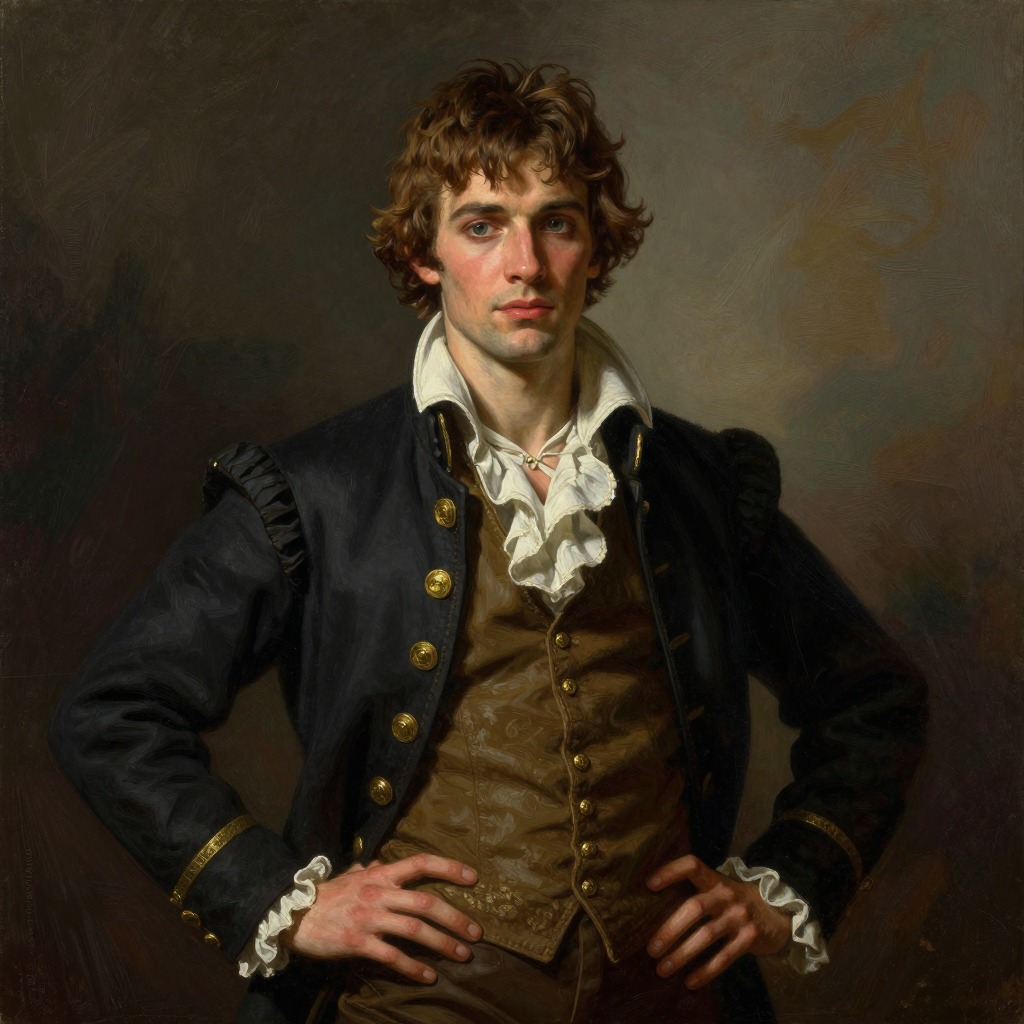
Edmond Dantes is introduced as the mate of the merchant ship Pharaon, a fine, tall, slim young fellow of eighteen or twenty, with black eyes and hair as dark as a raven's wing. His whole appearance bespeaks the calmness and resolution of a man accustomed to danger. He is universally beloved by his crew, a stark contrast to the supercargo Danglars, who is disliked. Dantes is on the cusp of achieving his fondest dreams: he is about to be promoted to captain of the Pharaon by the ship's owner, M. Morrel, and is engaged to marry the beautiful Catalan girl, Mercedes. His life is one of simple, honest ambition, and he is deeply devoted to his aging father.
Imprisonment and Transformation
Dantes's happiness is shattered on the very day of his betrothal feast. He is arrested on a false charge of being a Bonapartist agent, a denunciation secretly penned by the envious Danglars and posted by his rival for Mercedes's affections, Fernand Mondego. The examining magistrate, Gerard de Villefort, discovers that the letter Dantes carries is addressed to his own Bonapartist father, Noirtier. To protect his career, Villefort destroys the letter and condemns Dantes to the infamous Chateau d'If without trial. For fourteen years, Dantes languishes in a dungeon, descending into despair and contemplating suicide. His salvation comes in the form of his fellow prisoner, the Abbe Faria. Faria, a learned Italian priest, not only educates Dantes in languages, science, and philosophy but also reveals the existence of a vast treasure hidden on the island of Monte Cristo. When Faria dies, Dantes executes a daring escape by taking the dead man's place in a burial sack and being thrown into the sea. He is rescued by smugglers and, after recovering the treasure, is reborn as the Count of Monte Cristo, a man of immense wealth and profound knowledge, driven by a single, consuming purpose: vengeance.
The Avenger and His Methods
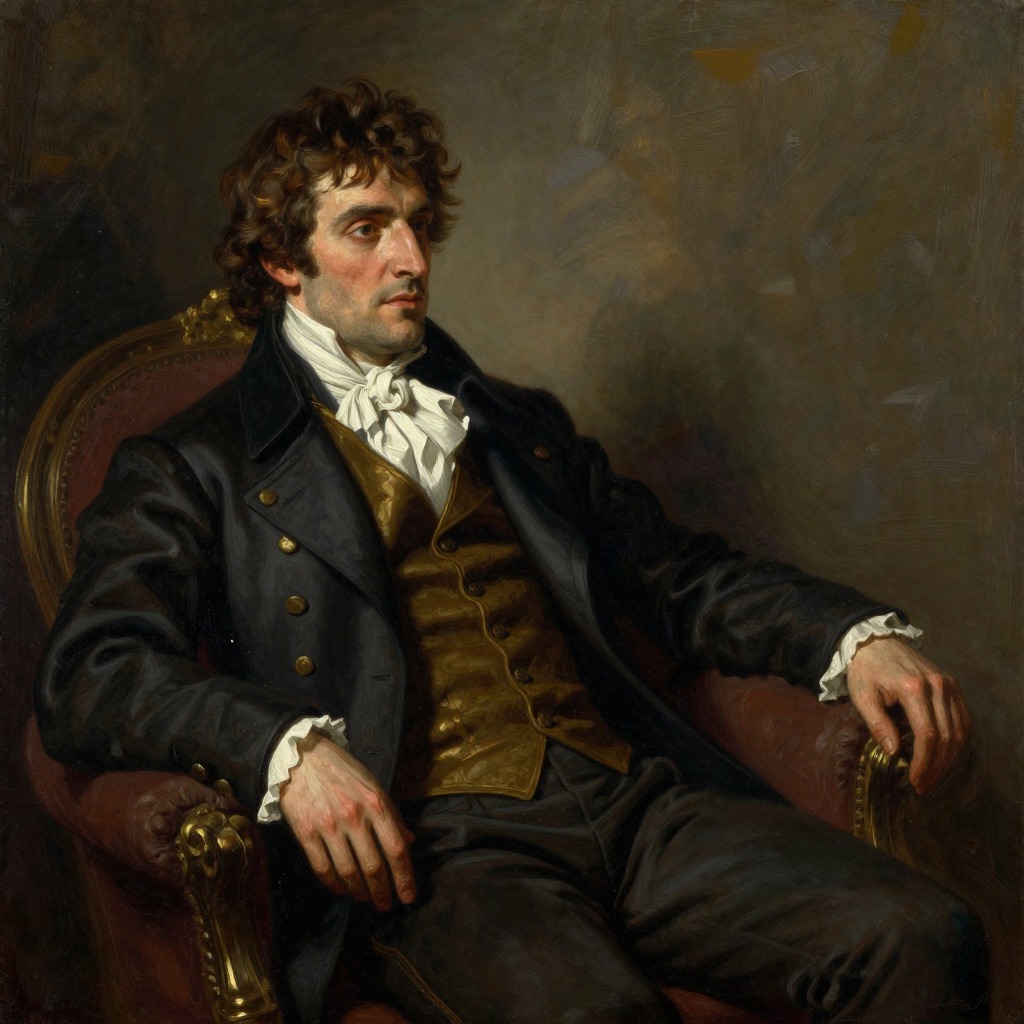
As the Count of Monte Cristo, Dantes returns to Parisian society, a mysterious and powerful figure. His vengeance is not a simple act of violence but a meticulously crafted, psychological campaign. He systematically destroys each of his enemies. He ruins the banker Danglars financially, driving him to bankruptcy and a humiliating captivity at the hands of bandits. He exposes the traitor Fernand, now the Count of Morcerf, for his betrayal of Ali Pasha, leading to his public disgrace and suicide. He drives the magistrate Villefort to madness by revealing his past crimes, culminating in the death of Villefort's wife and son. Yet, Dantes's quest for vengeance is not without its costs. His plan to destroy the innocent son of his enemy, Albert de Morcerf, is thwarted by the love and sacrifice of his former fiancee, Mercedes. This act forces him to confront the moral limits of his own power.
Relationships and Change
Dantes's relationships are defined by his dual identity. He is a cold, calculating benefactor to those who were kind to him, such as the Morrel family, whom he saves from financial ruin. He is a terrifying, implacable enemy to those who wronged him. His relationship with the Greek slave Haidee, the daughter of Ali Pasha, is a crucial element of his redemption. She is both a living witness to Fernand's crime and a source of pure, unconditional love that begins to thaw his hardened heart. His friendship with Maximilian Morrel, the son of his old patron, represents the possibility of a future untainted by revenge. It is through his desire to protect Maximilian's love for Valentine de Villefort that Dantes is forced to intervene against the poisoner Madame de Villefort, an act that ultimately saves the innocent and begins to restore his faith in humanity.
Thematic Significance and Final Departure
Edmond Dantes embodies the novel's central themes of justice, providence, and the corrupting nature of revenge. He initially sees himself as an agent of divine retribution, but his experiences teach him that he is not God. The suffering he inflicts, particularly the unintended deaths of the innocent, leads him to profound doubt and remorse. His final act is not one of destruction but of creation: he unites the lovers Maximilian and Valentine, grants Haidee her freedom, and offers forgiveness to his dying enemy, Danglars. In his final letter to Maximilian, he articulates the novel's ultimate wisdom: "Wait and hope." He then sails away into the sunset with Haidee, leaving behind the world he has both punished and blessed, a figure who has passed through the crucible of suffering and emerged, not as a triumphant angel of wrath, but as a weary, wise, and finally human soul.